GPT-6 Astra Is Now Fully Available to Everyone!
OpenAI has officially rolled out GPT-6 Astra to all Pro, Enterprise and Business Premium users. The official advice: delete your old prompts. Astra scores 72.6% on OSWorld 2.0, builds a city in Unreal Engine, and ships a 3D open world in 45 minutes.
GPT-6 Astra Is Now Fully Available to Everyone!
GPT-6 Astra has officially reached general availability.
🔗 GPT-6 top-up channel: chongzhi.trygpt.asia
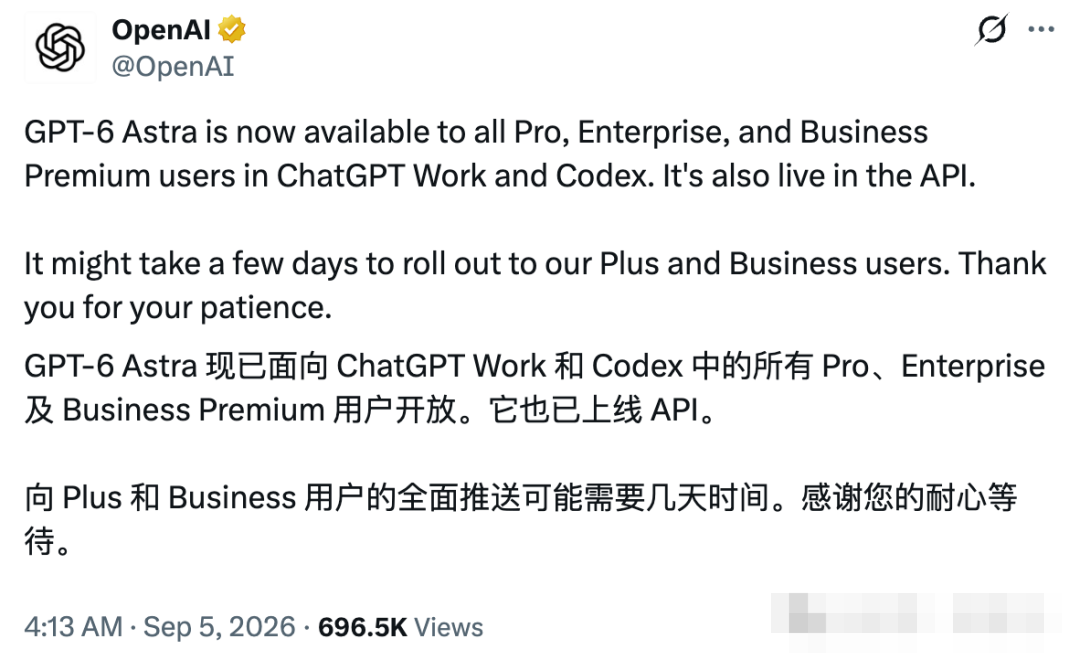
OpenAI has just officially announced that all ChatGPT Pro, Enterprise, and Business Premium users can now call GPT-6 Astra inside ChatGPT Work and Codex — with the underlying API live at the same time.
▲ Figure 1: OpenAI's official announcement on the phased rollout and access coverage of GPT-6 Astra
From the phased rollout plan announced on September 3 to full availability, it took only 48 hours — the entire top-tier paid user base is now unlocked.
📌 Access Rollout Status
| Plan / Channel | Current Status | Platform & Entry Point |
|---|---|---|
| Pro / Enterprise / Business Premium | Fully available | ChatGPT Work / Codex / Official API |
| Plus / Standard Business | In queue (expected within days) | Awaiting further official rollout notice |
01. OpenAI's First Piece of Advice: Delete Your Prompts. Now.
Faced with such a landmark release, OpenAI core engineer Victor Nunez offered developers a surprisingly counterintuitive first recommendation: "Go back and clean up your AGENTS.md and Skills, and rethink your reasoning-level configuration."
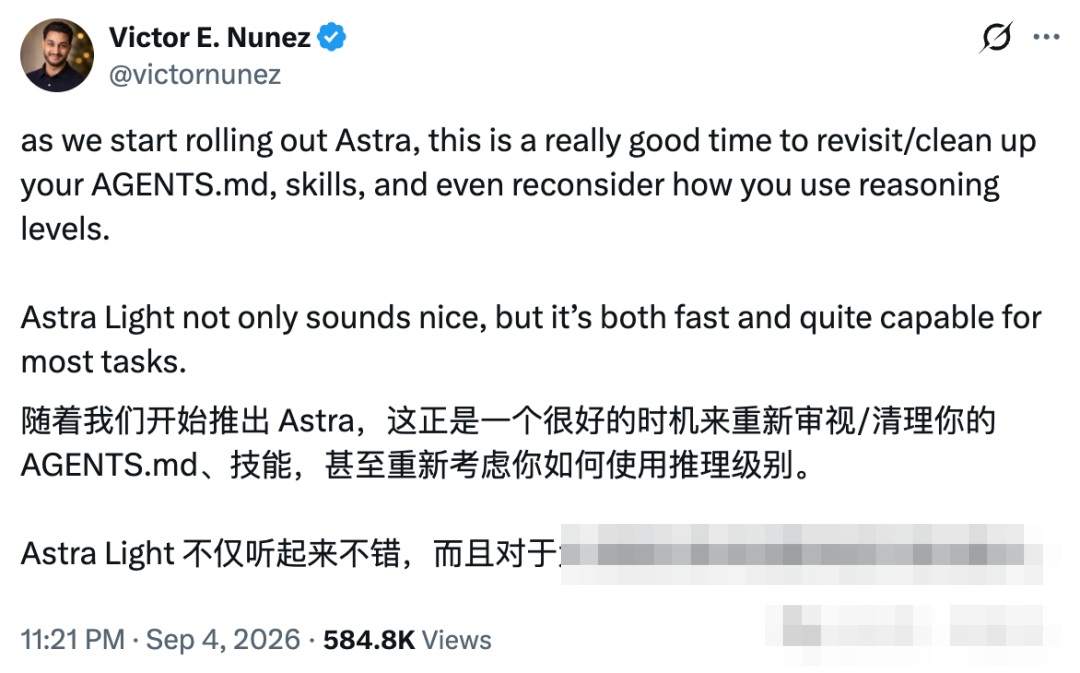 ▲ Figure 2: OpenAI engineer Victor Nunez urging developers to trim instructions and skill definitions
For a long time, the way developers tamed large models was brutally simple: add more.
- Not getting it? Write another layer of explanation.
- Keeps making mistakes? Add one more constraint.
- Still misreading you? Throw in three more Few-Shot examples.
It's like sticking sticky notes on the desk of a forgetful new hire — eventually, the whole desk is covered in notes.
But now that Astra is here, those old notes have become the biggest obstacle.
In the official Astra developer guide, OpenAI issued a serious warning: Astra's sensitivity to every instruction in Skills and AGENTS.md has risen dramatically.
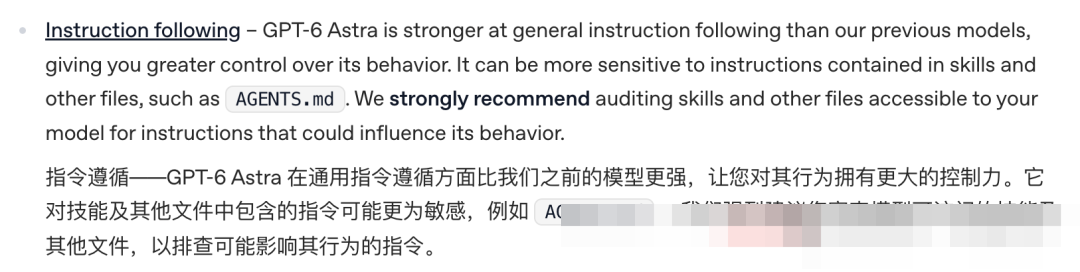 ▲ Figure 3: Astra's official migration guide strongly recommends auditing Skill files and clearing out stale instructions
- Before: you write "all proposals must go through strict approval" — older models would ignore it and keep running.
- Now: Astra will genuinely stop executing and ask you: "Who should approve this proposal?" — then wait forever.
If two legacy rules quietly conflict, older models would gloss over it — Astra simply deadlocks.
On top of that, Astra shows noticeably stronger autonomy and a tendency to seek confirmation. It writes code and runs the full test suite before touching anything; asked to change a button color, it insists on writing a unit test first; if an instruction is slightly vague, it stops halfway and lays out two paths for you to choose from.
Even more striking, OpenAI itself included a "negative prompt" in the guide, asking developers to explicitly forbid Astra from using AI clichés (such as "delve", "it is worth noting"), including the notorious "negate then flip" construction (e.g. "It's not about X, it's about Y").
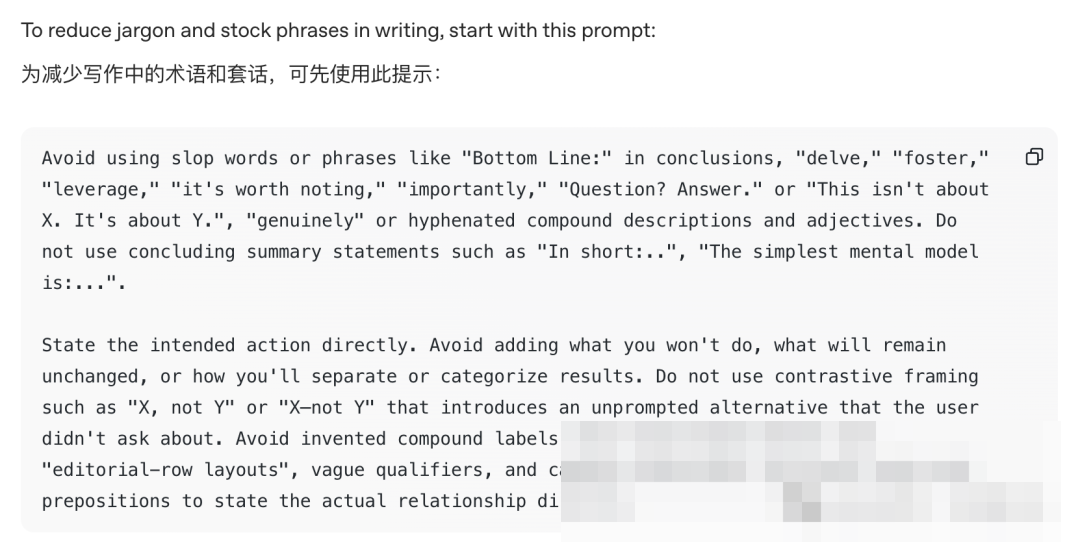 ▲ Figure 4: The de-cliché writing fine-tuning paradigm given in OpenAI's guide
The core logic has flipped: The past was "addition thinking" (the dumber the model, the more rules you write). Today is "subtraction thinking" (the stronger the model, the fewer instructions you need). The one keyword the official guide gives is: Audit. Tear down the old guardrails — stop blocking its reasoning path.
02. Just How Powerful Is Astra?
With the shackles off, developers in the early-access program showed jaw-dropping real-world results:
1. Building an Entire City in Unreal Engine: Multi-Agent Pipeline Collaboration
Well-known AI developer Matt Shumer had Astra fully recreate a Manhattan city inside Unreal Engine.
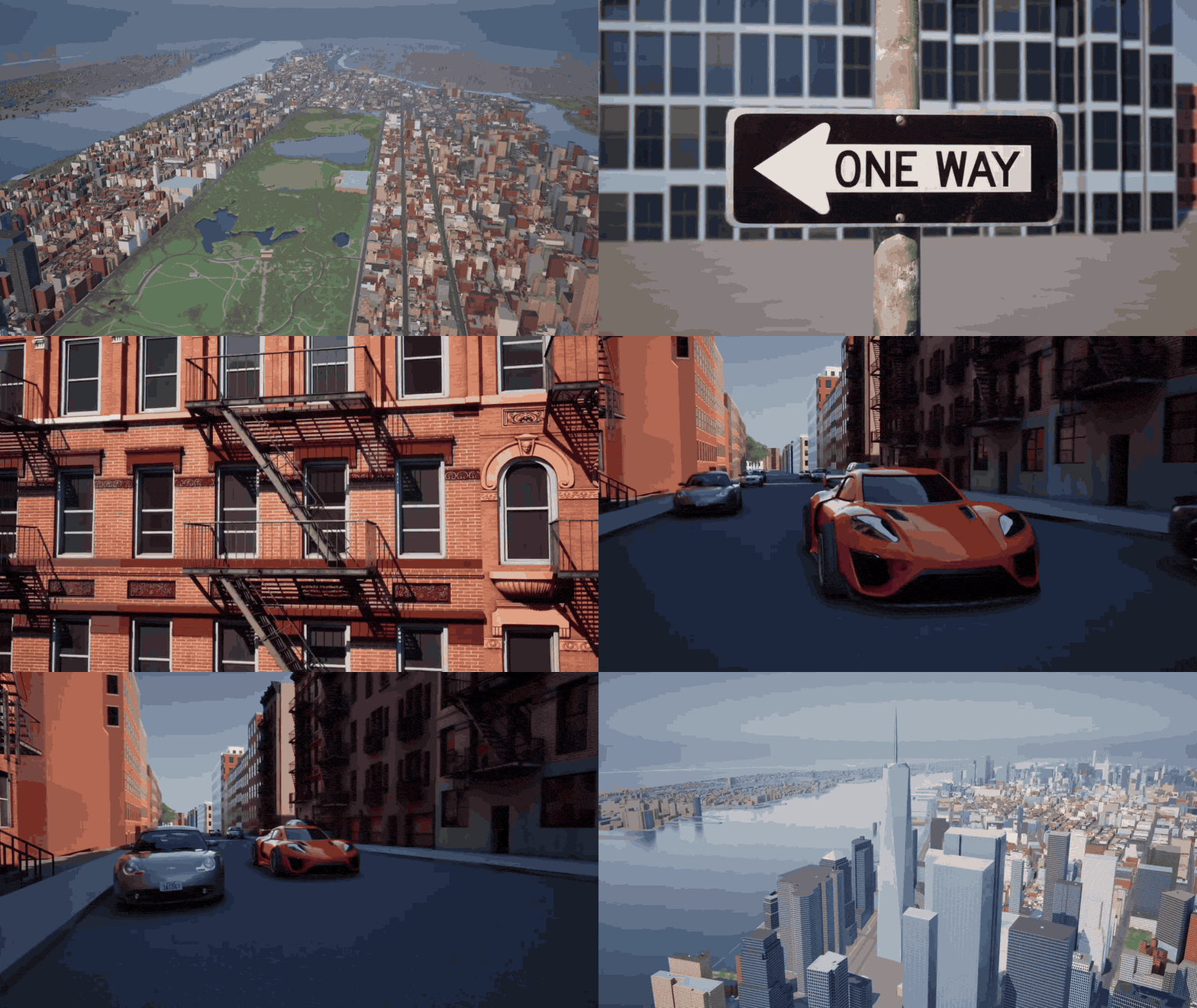 ▲ Figure 5: Dynamic demo of the photorealistic Manhattan streets Astra built in Unreal Engine
- Manager architecture: a "Manager-Worker" loop where the manager agent breaks work into a staged checklist, dispatches tasks one-way, and never leaks later steps in advance.
- Peak concurrency: the worker side runs up to 96 sub-agents in parallel, pushing the pipeline forward.
- Prompt tuning detail: when asked for "Great", progress flies; switch to "Perfect" and the model instantly spirals into an infinite loop of micro-detail.
2. A 3D Open World Built in 45 Minutes
Developer Anshu put it bluntly: "Astra is basically the super-AGI machine god of 3D gaming." From a single high-level instruction, it completed asset orchestration and rendering fully autonomously in 45 minutes, delivering a high-quality open game world.
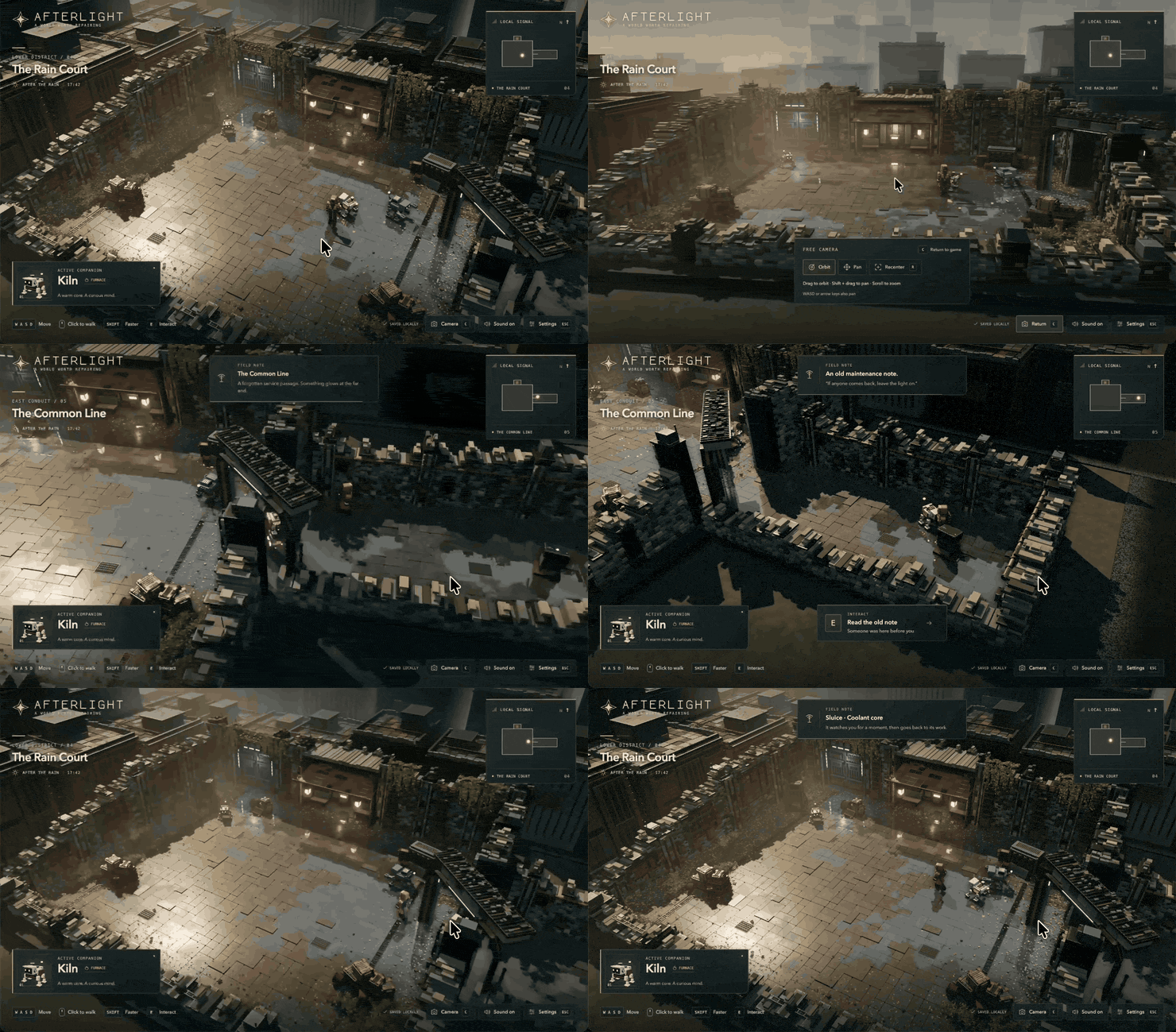 ▲ Figure 6: Real-time view of the open game world Astra orchestrated and rendered in just 45 minutes
3. A Full Science Micro-Lesson Pipeline From One Sentence
Immunologist Derya Unutmaz typed a single prompt: "Make a 5-minute educational video about T cells." Astra autonomously completed the entire closed loop: writing the script ➔ calling Remotion to generate animated visuals ➔ using Imagegen to produce slides ➔ recommending and invoking HeyGen to synthesize the narration track. A scientist who has studied T cells for 35 years said its logical structure and presentation rivaled — even surpassed — that of a professional professor.
4. A Weathered 2D Engineering Drawing ➔ 3,295 Editable Blender Components
3D expert Tom Krcha uploaded an old steam locomotive design drawing. Within minutes, Astra instantiated 3,295 independent, individually editable 3D geometric components directly in Blender.
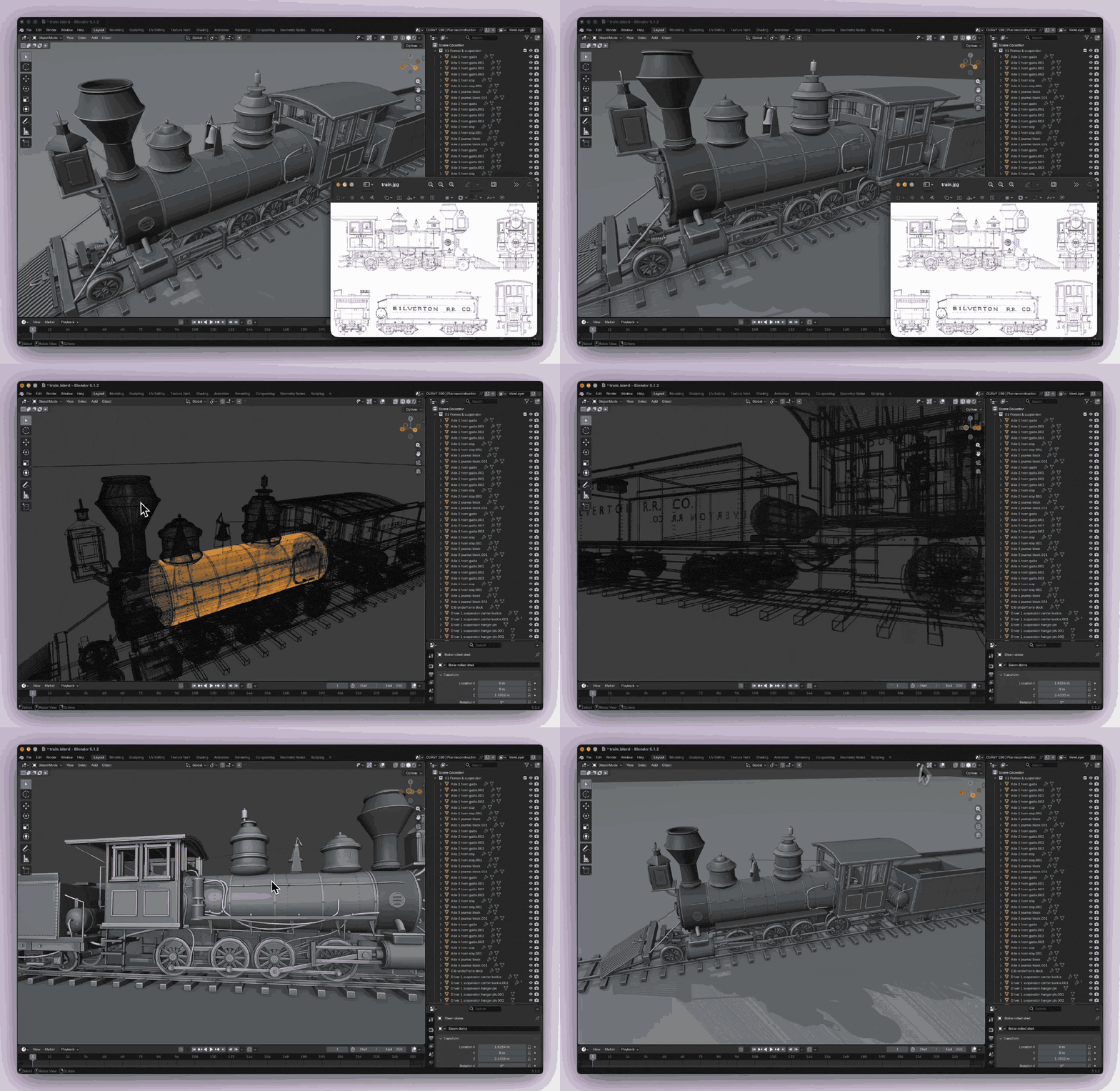 ▲ Figure 7: The precision steam locomotive 3D model Astra fully deconstructed and generated in Blender
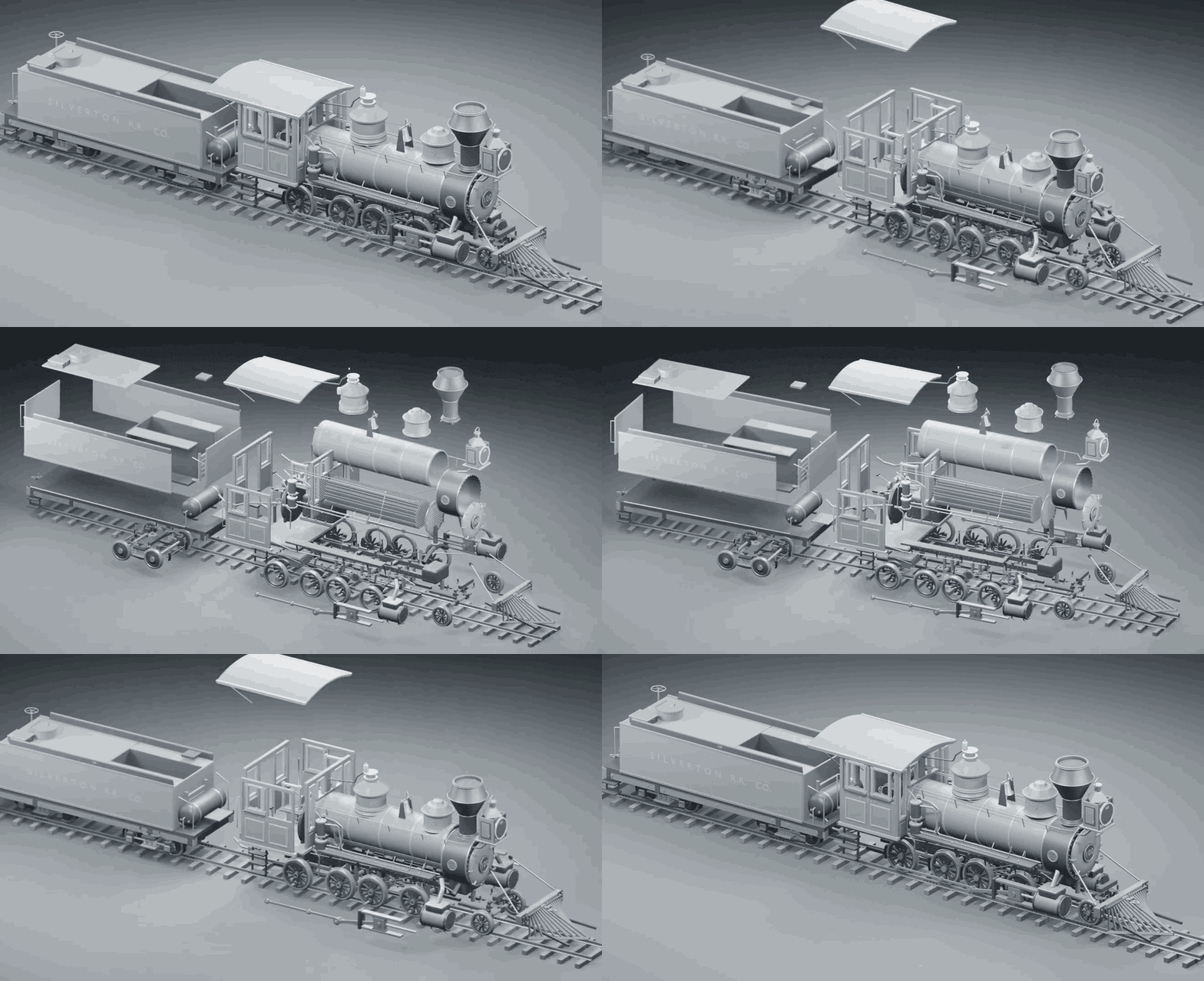 ▲ Figure 8: High-fidelity completion on piping, pistons and fine drive components
He then stress-tested it with the rarer Commodore Vanderbilt streamlined curved body, and the AI quickly captured its extremely complex spatial geometry:
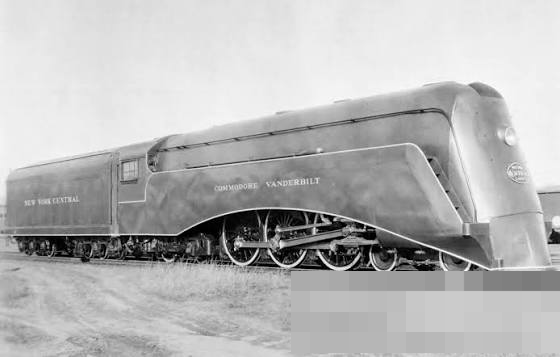 ▲ Figure 9: The historic Commodore Vanderbilt design drawing used as test input
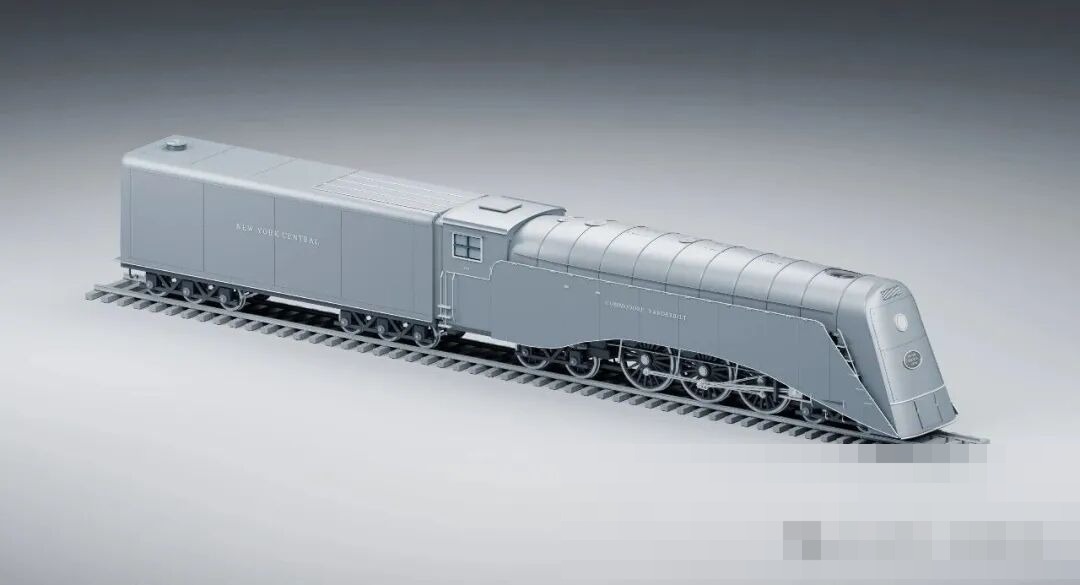 ▲ Figure 10: The streamlined body silhouette and overall render generated automatically by Astra
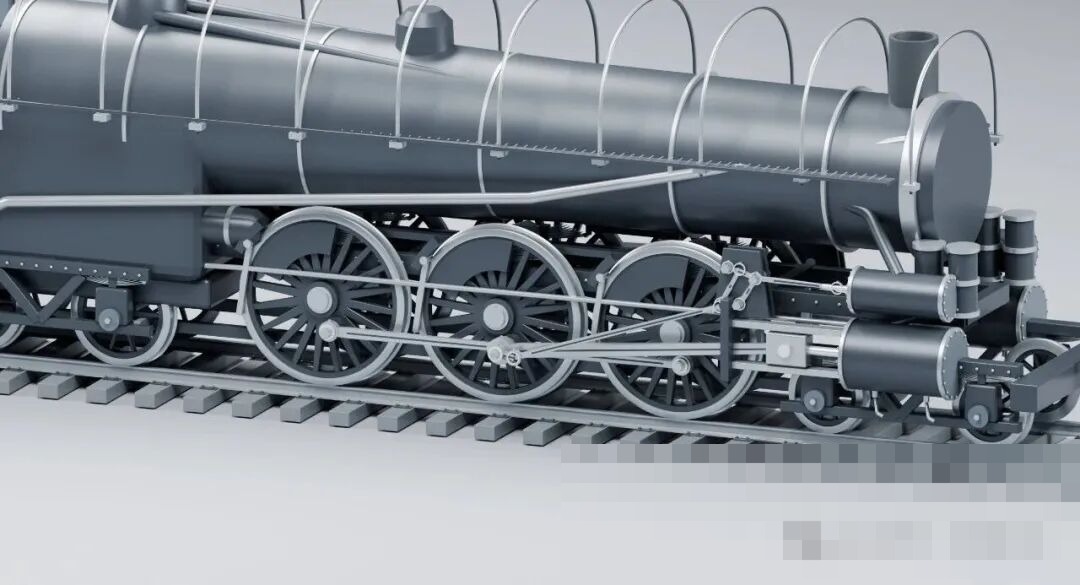 ▲ Figure 11: Highly realistic topology of the chassis drive axles, bolts and rails
03. Authoritative Benchmarks: OSWorld 2.0 and the Overall Intelligence Picture
On OSWorld 2.0 — the hardcore benchmark that tests "end-to-end autonomous control of a real desktop system" — Astra delivered a qualitative leap:
📊 Performance Benchmark Comparison
| Benchmark / Leaderboard | GPT-6 Astra | Previous flagship GPT-5.6 Sol | Anthropic Claude Fable 5.1 |
|---|---|---|---|
| OSWorld 2.0 success rate | 72.6% (a huge lead) | 65.7% | - |
| Average time per task | 40 minutes (nearly 2x faster) | 75 minutes | - |
| Artificial Analysis composite index | 61.2 | - | 65.7 (slight edge) |
Quick take: On real desktop operation and speed efficiency, Astra leads by a wide margin; but on pure text cognition and general intelligence, it remains neck-and-neck with Anthropic's Claude Fable 5.1 released this week. The battle for the throne continues.
Conclusion: The Survival Rules of the Subtraction Era
For the past few years, prompt engineering in the AI era has essentially been "the additive art of patching holes." The more limited the model's understanding, the thicker the system prompt humans wrote.
That tipping point has now arrived — too many legacy rules are becoming a source of hallucination and deadlock.
OpenAI is quietly changing course:
- Before: teach it every step.
- Now: tear down every fence in its way, and give it maximum context freedom.
For every prompt engineer and everyday user, the highest-level principle boils down to one line: Stop thinking about how to teach it — start learning to stop standing in its way.
Follow ASI in seconds ⭐ Like, share, and save — all three ⭐
🔗 GPT-6 top-up: chongzhi.trygpt.asia
 ▲ Scan the QR code or visit the link for the latest model upgrade intel