GPT-6 Astra: China Access Guide & In-Depth Hands-On Review
GPT-6 Astra has evolved from a chatbot into an all-purpose digital employee. This roundup covers no-VPN access channels in China (API aggregator / mirror site / top-up), 5 advanced hands-on prompt cases, OS Agent and game-engine capabilities, benchmark scores and pricing — plus honest notes on endurance and aesthetic quirks.
GPT-6 Astra: China Access Guide & In-Depth Hands-On Review
TL;DR: Recent hands-on testing shows that GPT-6 Astra has broken past the boundaries of a traditional "chatbot" and evolved into a true "all-purpose digital employee" with cross-software operation and autonomous task execution. This roundup covers China-accessible (no-VPN) entry points, hands-on demo prompts, a breakdown of key capabilities, and an honest pros-and-cons review.
1. Access Channels Available in China
For developers and creators in China, here are the API platforms, mirror sites and top-up channels you can reach directly:
| Channel | URL | Best for |
|---|---|---|
| All-model API aggregator | https://tryallapi.com/ | Developer calls, low-latency direct connection, one-stop multi-model access |
| High-speed GPT mirror in China | https://trygpt.asia/list/#/home | Browser-based chat without a VPN, lightweight workflow testing |
| Official top-up channel | https://chongzhi.trygpt.asia/ | Removing the overseas payment barrier, direct top-up to your official account |
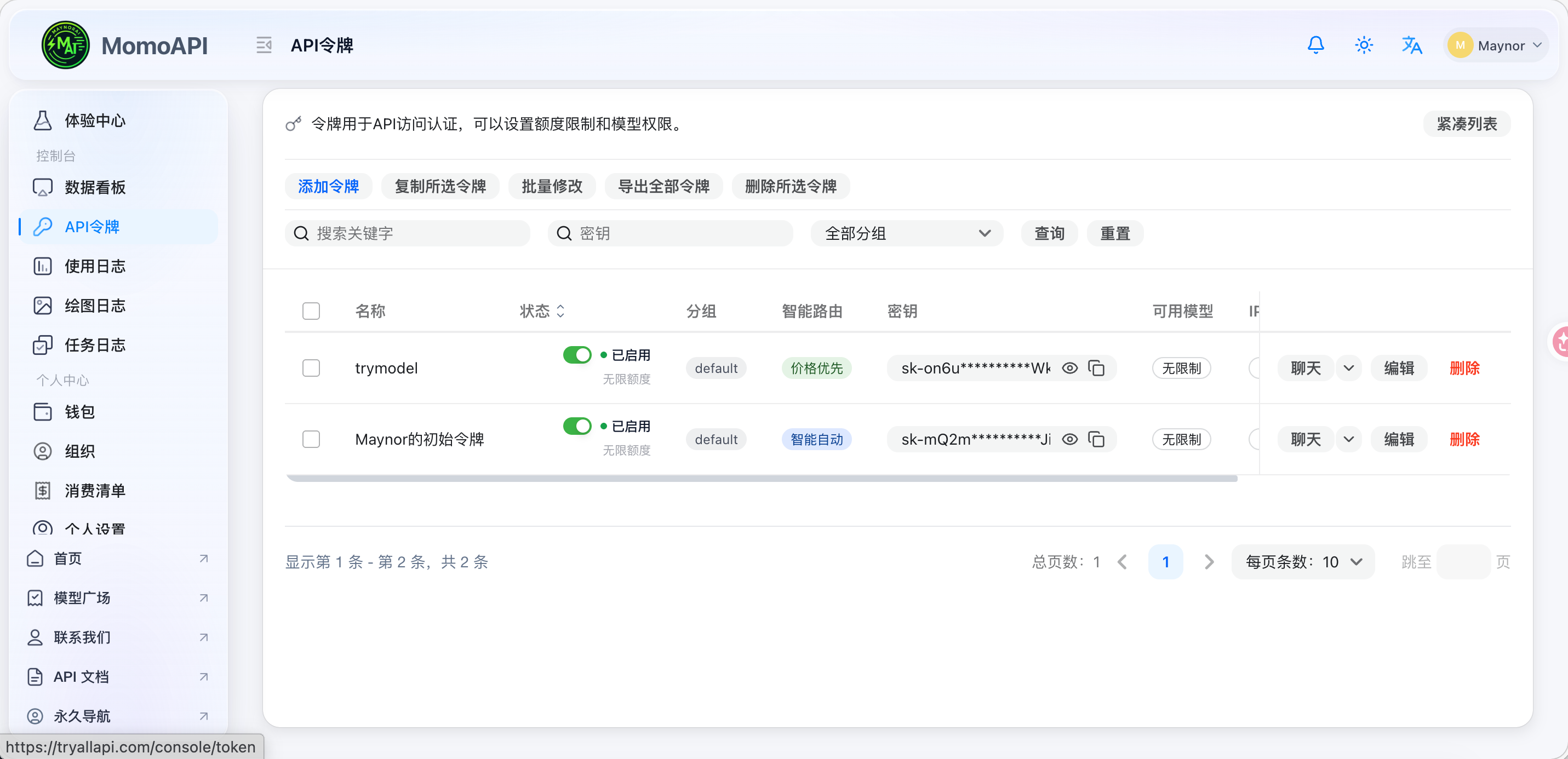
1. Direct API Access via the Aggregator
- Platform: https://tryallapi.com/
Caption: The TryAllAPI console — one-click access to frontier models including GPT-6 Astra.
2. Account Top-Up Channel
- Top-up link: https://chongzhi.trygpt.asia/
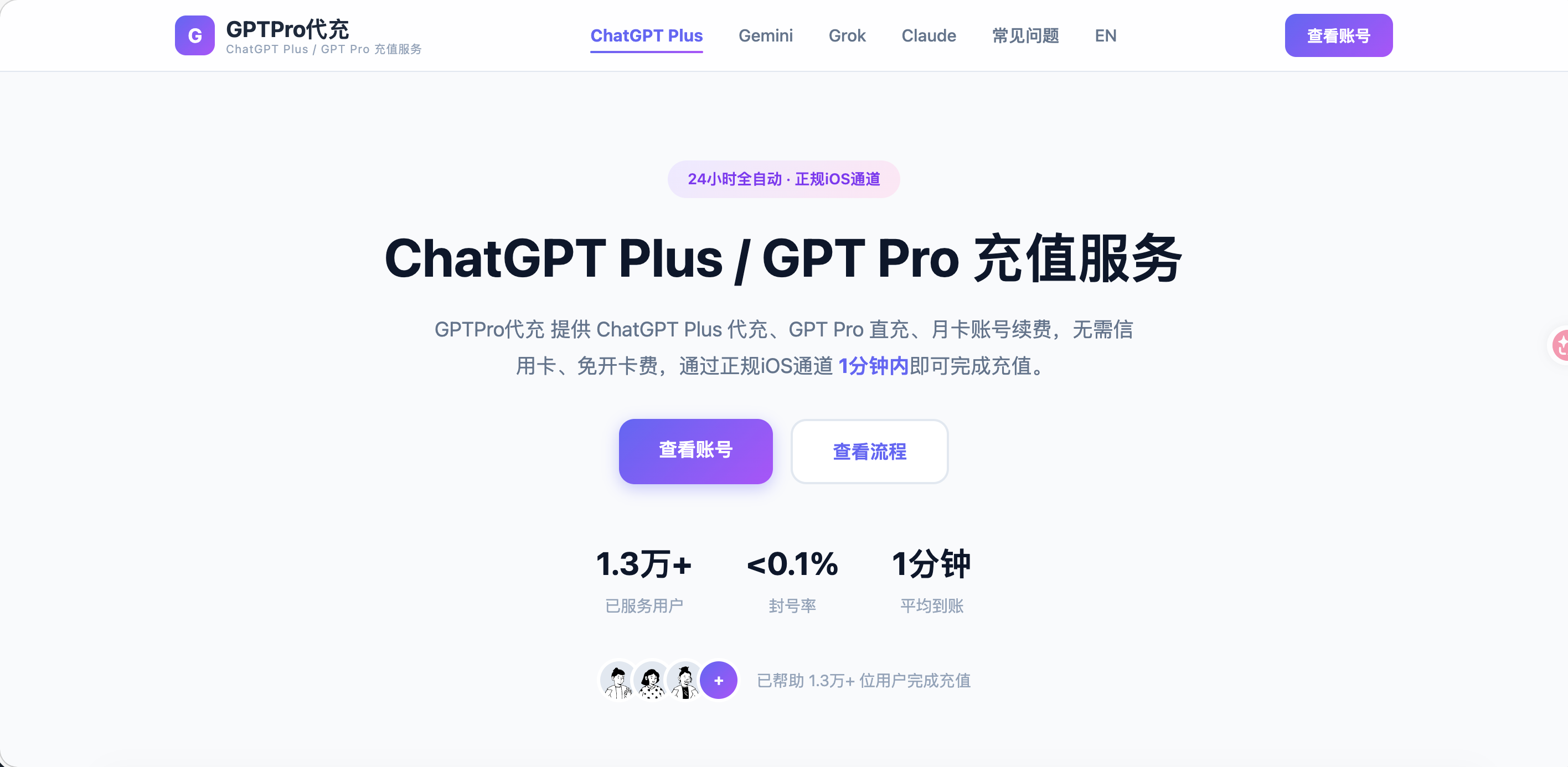
Caption: A convenient top-up page for overseas accounts, supporting common domestic payment methods with fast delivery.
3. Web Mirror in China
- Mirror site: https://trygpt.asia/list/#/home
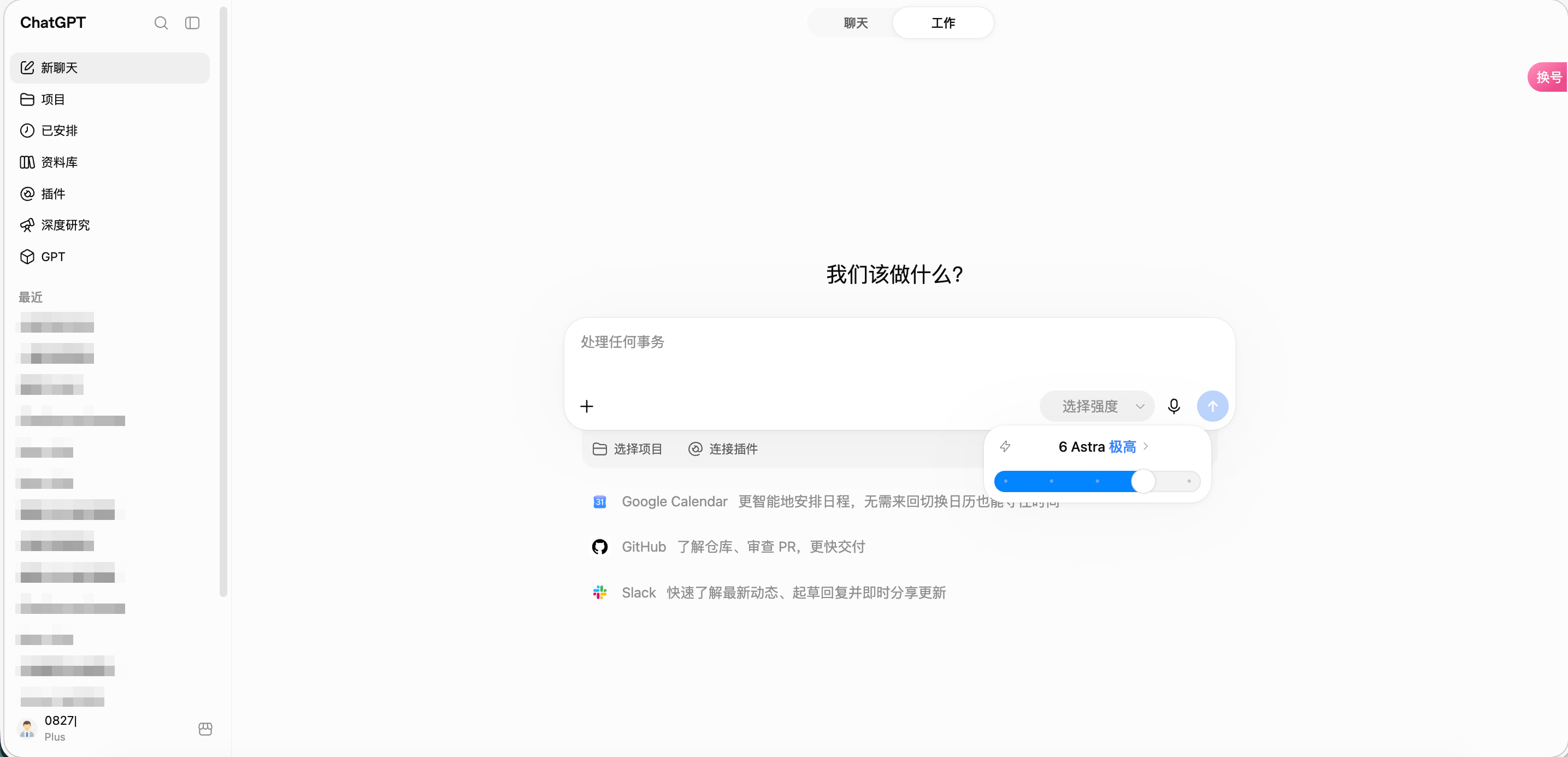
Caption: The GPT web mirror hub — no complicated network setup, ready to use out of the box.
2. Core Capability Tests & Advanced Prompt Cases
The biggest technical leap in GPT-6 Astra is this: it can autonomously decompose extremely complex, cross-software, multi-step long-chain tasks and execute them end to end.
Case 1: Spatial Reconstruction — 3D Scene From a Single Image
-
Prompt:
"Reconstruct this 3D scene for me."
Caption: After receiving a reference image, Astra solves the spatial layout on its own and builds an interactive 3D scene mesh.
Case 2: Cross-Engine Prototyping — Recreating a Classic Game
-
Prompt:
"Make me a Super Mario game."
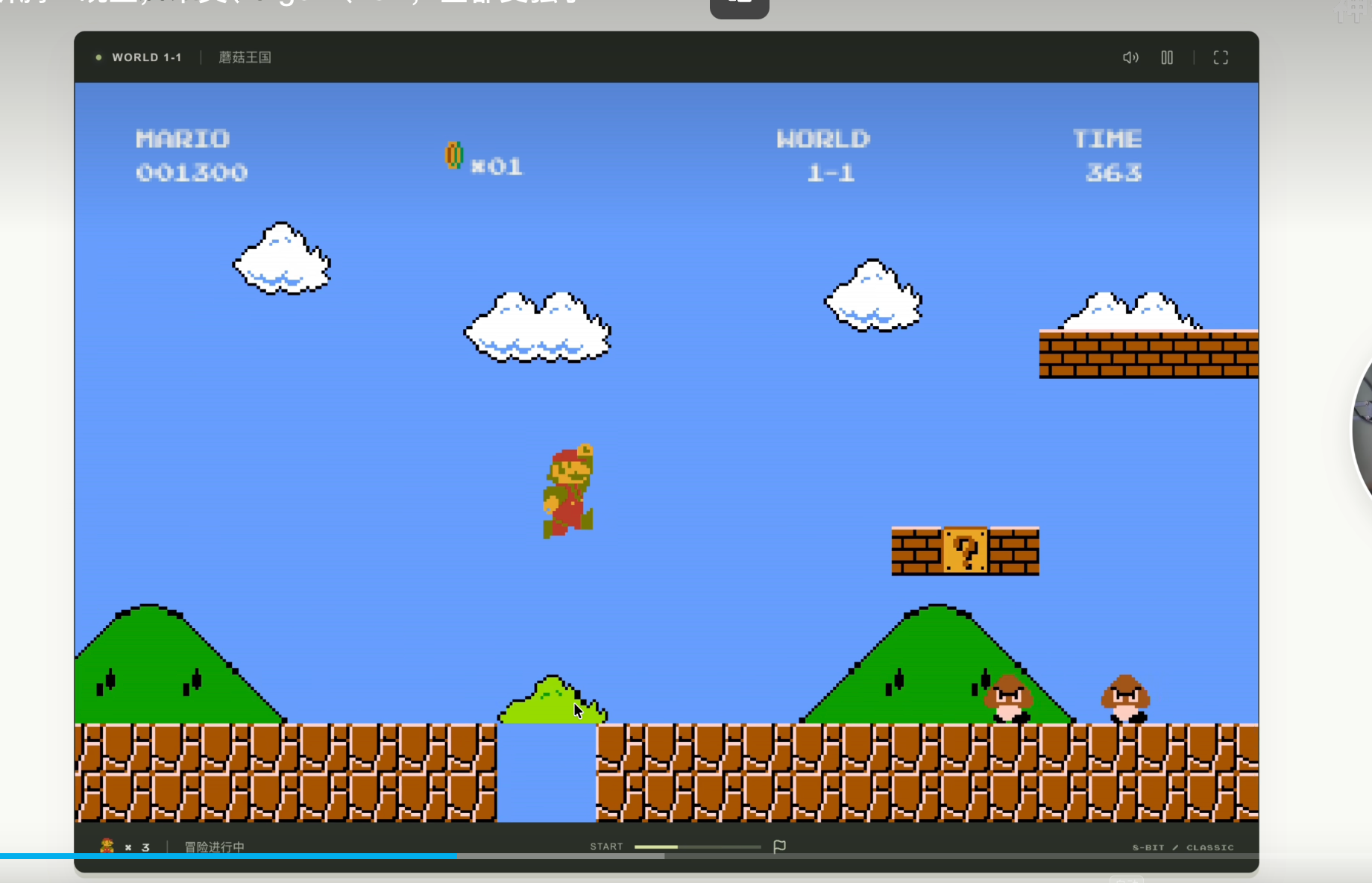
Caption: Astra writes the level scripts, handles physics collisions and debugs the logic on its own, producing a playable prototype quickly.
Case 3: End-to-End Media Production — A Custom Promo Video
-
Prompt:
"Make a promo video for GPT-6 Astra. It needs smooth continuous transitions, high-end motion design, and rich visual effects. Create it in a brand new folder, and make sure the design is original."
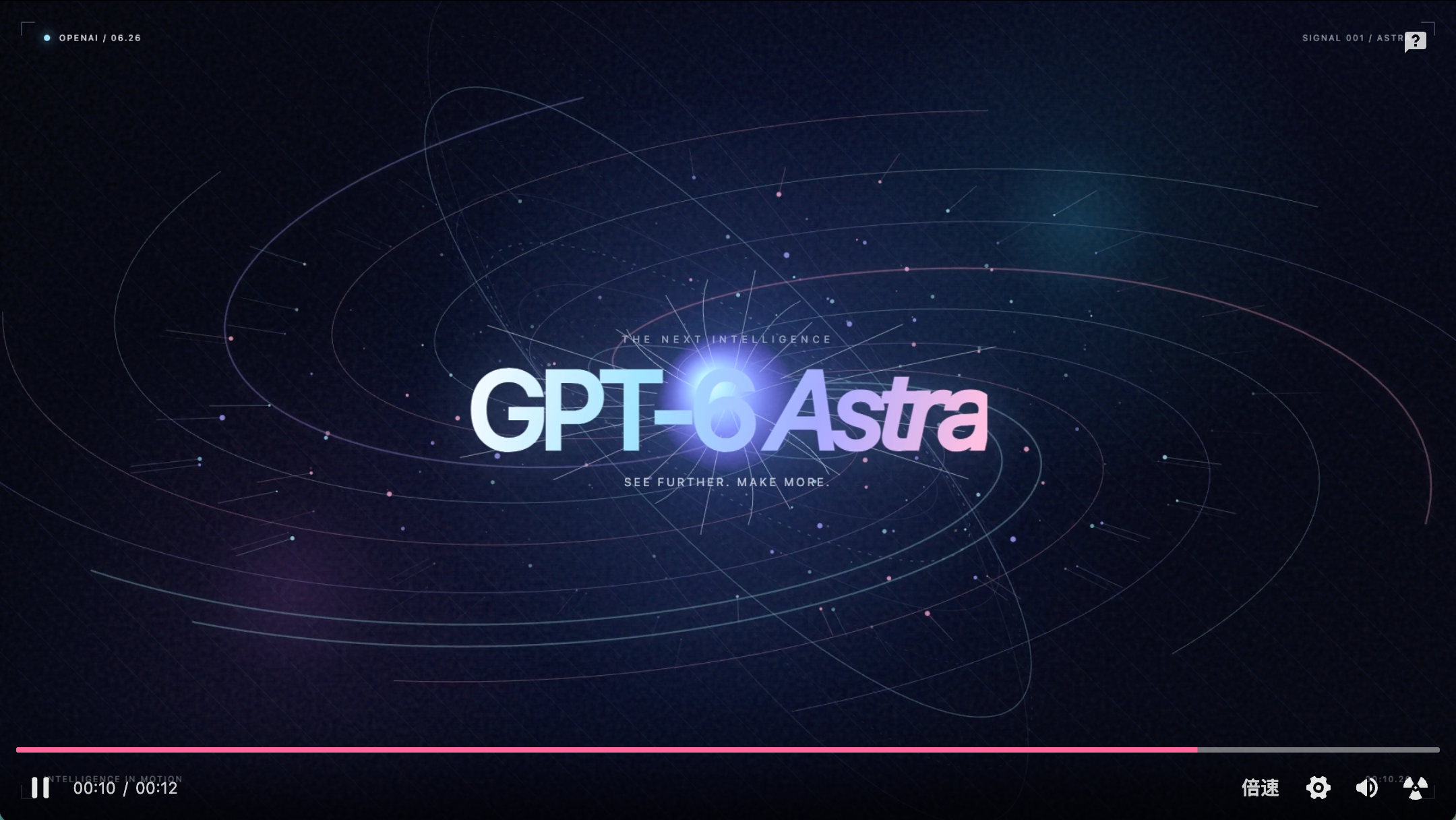
Caption: Astra independently plans the timeline, manages asset resources and generates a video project with complex motion effects.
Case 4: Stylized Game Architecture — A Horror-Version Minecraft
-
Prompt:
"In a new folder, build a game similar to Minecraft with high fidelity, but with an overall horror atmosphere."
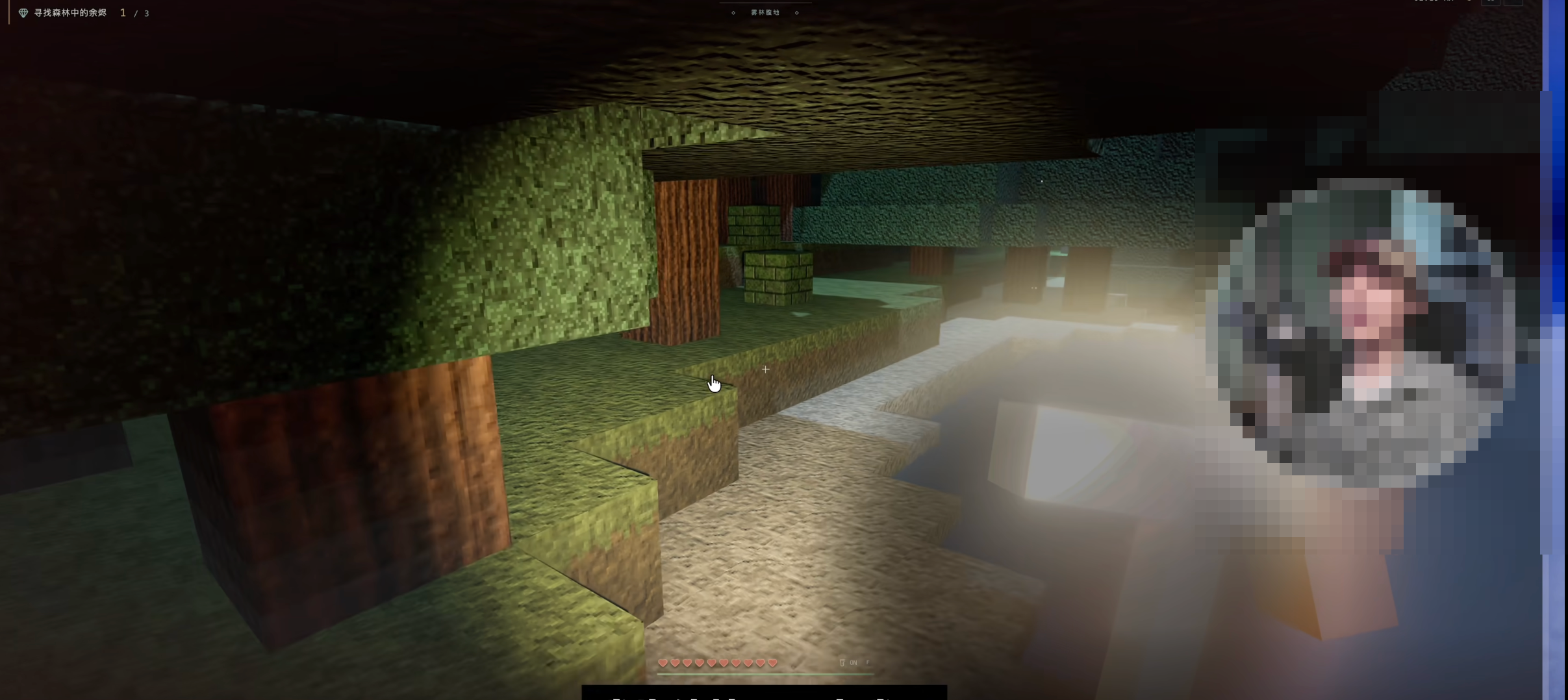
Caption: Combining voxel rendering with low-light mood shaders, the model successfully delivers a dark sandbox gameplay loop.
Case 5: OS Agent Taking Over the Computer — Auto-Tracing on a Canvas
-
Prompt:
"Take over my browser. I have an image on a Canvas site — use the brush tool there and try to replicate that image."
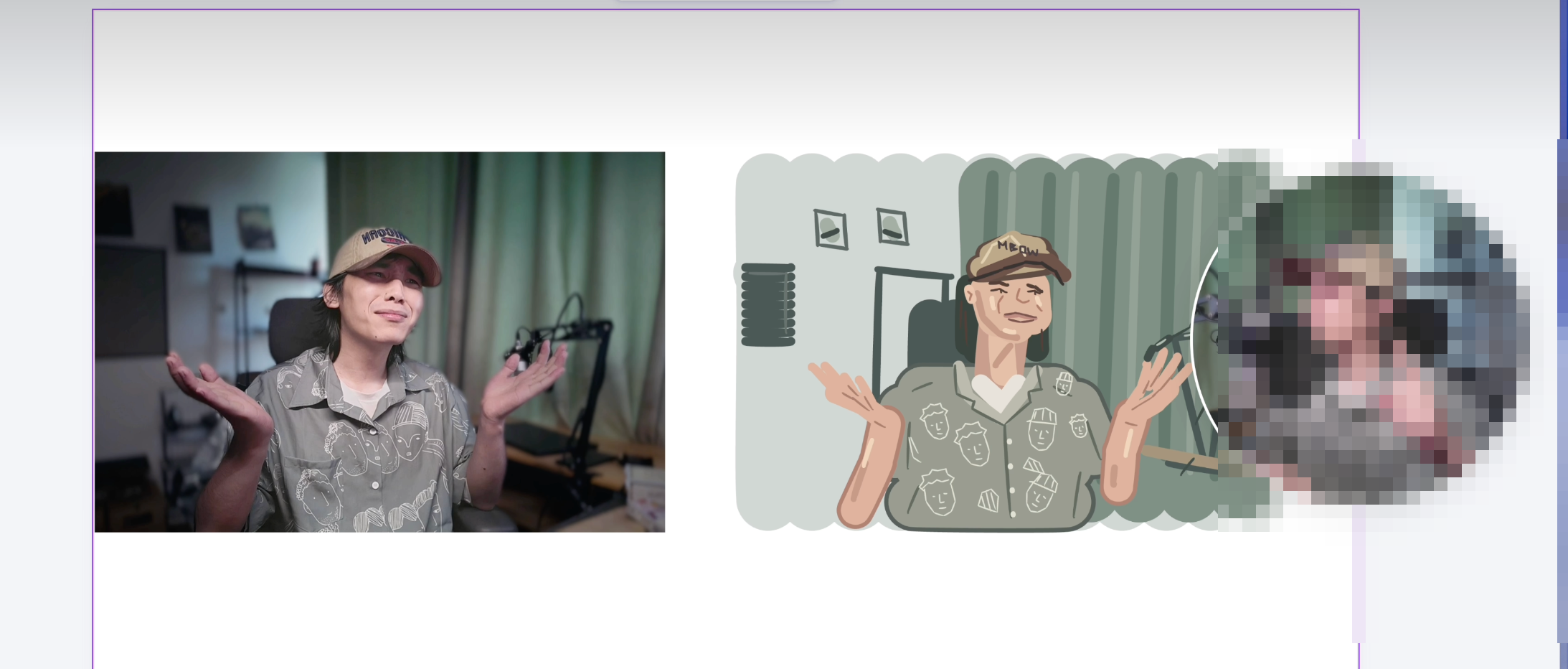
Caption: Astra watches the canvas in real time via visual feedback, simulating mouse trajectories and brush parameters to reproduce the artwork.
3. Full Breakdown of GPT-6 Astra's Technical Performance
🚀 Breakthroughs in Core Dimensions
- System-level keyboard & mouse control (OS Agent) Astra operates a real operating system like a human employee — reading the screen, moving the cursor, clicking, and typing — to complete complex tasks such as troubleshooting, cross-spreadsheet operations, and installing dependencies. In real desktop environments, its success rate reaches 72.6%, with per-task time cut by nearly half.
- Deep involvement in game engines No longer limited to spitting out code snippets, it can take over mainstream engines like Unity and Godot — placing assets on its own, tuning lighting and physics, even playtesting and hunting down bugs. In grey-box prototyping tests, it cut roughly 50% of manual developer work.
- Scientific reasoning and ultra-advanced mathematics It scored 97.6% on the notoriously hard FrontierMath Level 4, and leads existing competitors by a wide margin on the professional medical research benchmark (HealthBench Professional), demonstrating strong logical chains across multi-stage data analysis.
📊 Benchmarks & Pricing
| Dimension / Item | Result / Price | Notes & Comparison |
|---|---|---|
| ARC-AGI-3 reasoning test | 99.9% | Measures generalization on entirely unseen abstract logic tasks |
| BenchCAD geometry reconstruction | 95.9% | Accuracy of reconstructing CAD models from reference images / multi-view point clouds |
| FrontierMath Level-4 | 97.6% | Score on extremely hard frontier math research problems |
| API input price | $10 / 1M tokens | About 2.5x the previous generation (Sol) |
| API output price | $50 / 1M tokens | Thanks to a very high first-attempt success rate, total cost per task stays roughly on par with the previous generation |
4. Real-World Feel & Honest Drawbacks
In practice, GPT-6 Astra delivers era-defining productivity, but it also exposes a few pain points that still need work:
- ⚠️ Task endurance ceiling: after about 30 minutes of continuous heavy execution, it occasionally "drops the thread" or stops responding — the developer usually has to send a prompt to wake it up.
- 🎨 Strong fixed aesthetic preferences: it has an entrenched style bias when designing UI and writing copy, heavily favoring pale green color schemes and flat, soft tones, and the text still carries a noticeable "AI flavor."
- 🧩 UI controls tend to pile up: when generating front-end interfaces autonomously, it likes to cram in secondary buttons and helper labels — you still need to guide it toward whitespace and restraint.
- ⚔️ Not unbeatable at code: on the professional programming benchmark DeepSWE, it faces strong pressure from the lightweight Gemini 3.8 Flash, which edges it out in a small number of specific coding scenarios.